Introduction
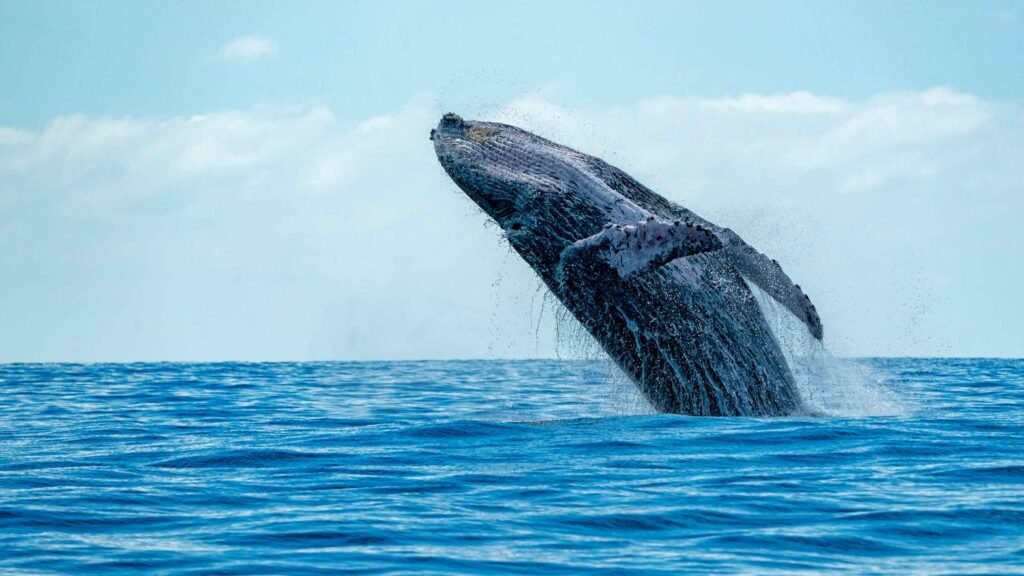
Few wildlife moments compare with watching a blue whale, the largest animal that has ever lived, surface beside your boat and slide back into the Indian Ocean with a lift of its tail. Off Sri Lanka’s southern tip, that moment is not a rare stroke of luck. It is a regular part of a winter morning.
Whale watching in Mirissa has turned a small fishing town into one of the world’s best-known blue whale destinations. This guide covers everything you need for the 2026–27 season: the best months, what a tour costs, what to expect on board, and how to make sure your trip supports the whales rather than stresses them.
1. Why Mirissa Is Sri Lanka's Whale Watching Capital
Mirissa sits on the southern coast, roughly 150 km from Colombo. What makes it special is geography: the continental shelf drops away steeply just a short boat ride offshore, bringing deep, nutrient-rich water unusually close to land.
Blue whales follow a migration route across the southern edge of the island, and they stay to feed in these waters through the dry season. Alongside them you may see:
- Blue whales – the headline act, frequently seen during peak months
- Sperm whales – often in small groups, recognisable by their angled blow
- Spinner and bottlenose dolphins – sometimes in large, acrobatic pods
- Bryde’s whales, flying fish and sea turtles – bonus sightings on lucky days
2. Best Time for Whale Watching in Mirissa
The season runs from November to April, when the southwest monsoon has passed and the south coast enjoys calmer seas and clearer skies.
- November: Season opens. Seas are settling, and boats are less crowded.
- December to early January: Busy holiday period. Good sightings, but book ahead and expect higher prices.
- January to March: Peak season. The calmest seas, the best weather and the highest chance of seeing blue whales.
- April: Still good, though the weather becomes less predictable as the next monsoon approaches.
From May to October, the southwest monsoon makes the sea rough and most whale-watching boats stop running from Mirissa. If you are visiting during those months, Trincomalee on the east coast is the alternative, with its own whale season during the middle of the year.
Best time of day
Tours leave early, usually around 6:00–7:00 am. Mornings bring the smoothest water and the best visibility, and most boats are back by late morning before the wind picks up.
3. How Much Does Whale Watching in Mirissa Cost?
Prices vary by operator, boat size and time of season. As a rough guide for the 2026–27 season:
- Shared tours on larger boats: around USD 50–70 per adult, often including breakfast, water and life jackets
- Peak holiday surcharges (late December to mid-January): expect prices to rise
- Private charters: considerably more, but you control the pace and the number of people on board
Children usually pay a reduced rate. If whale watching is part of a wider Sri Lanka tour with Exotic Perla, we arrange the booking, transfers and timing for you so the early start fits neatly into your itinerary.
4. What to Expect on a Whale Watching Tour
Most tours follow a similar pattern:
- Early pick-up or check-in at Mirissa Harbour around sunrise.
- A safety briefing and life-jacket fitting before departure.
- Heading out to deep water, usually 20 to 30 km offshore. Captains keep in touch with each other and with fishing boats to locate whale activity.
- Searching and sighting time. This is where patience matters. Some days whales appear within the first hour; on others you may search longer.
- Return to the harbour by late morning or around midday. Total time on the water is typically 4 to 6 hours.
No responsible operator can guarantee a sighting, but during peak months success rates are very high.
5. How to Avoid Seasickness
Even in the calm season, the open ocean has a swell. Seasickness is the most common complaint on Mirissa tours, so plan for it:
- Take seasickness tablets 30 to 60 minutes before boarding, not once you feel unwell.
- Eat a light breakfast. An empty stomach often makes nausea worse.
- Sit on the lower deck towards the middle of the boat, where movement is smallest.
- Keep your eyes on the horizon and stay in fresh air.
- Avoid alcohol the night before.
6. Choosing a Responsible Whale Watching Operator
Not every operator treats the whales with the same respect. When too many boats chase a single animal, it disrupts feeding and resting. Look for operators that:
- Keep a safe distance from whales (around 100 m is the widely followed guideline) and never cut across their path
- Limit the number of boats around a single whale
- Turn off or idle engines near animals
- Carry proper safety equipment and experienced crew
- Have strong, recent reviews that mention ethical behaviour, not just sightings
At Exotic Perla, we only work with operators who follow responsible practices. It is a key part of how we plan our wildlife tours.
7. What to Bring
- Sunscreen, sunglasses and a hat (there is little shade on deck)
- A light windproof jacket for the early start
- Seasickness tablets
- A camera with a zoom lens and a strap
- A waterproof bag for your phone and valuables
- Cash for tips and snacks
8. Make a Day of It: More to Do Around Mirissa
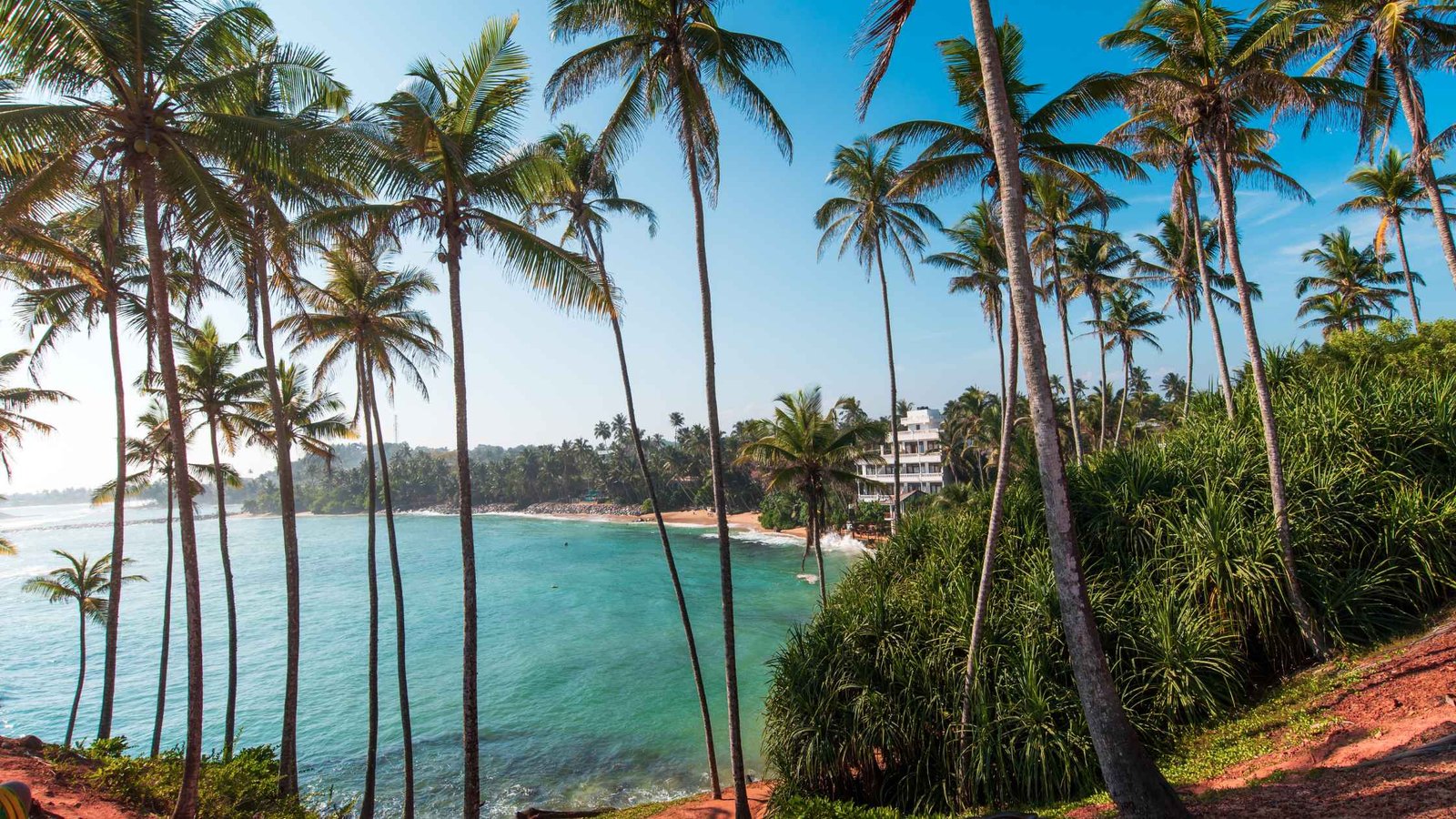
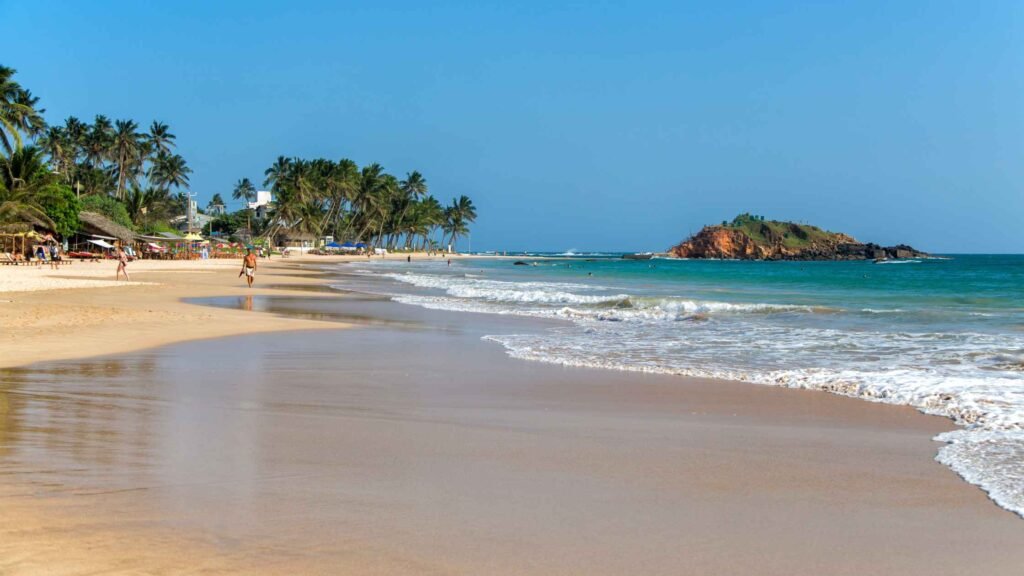
Whale tours finish by midday, leaving the afternoon free. Climb to Coconut Tree Hill for sunset views, relax on Mirissa Beach, watch the stilt fishermen near Weligama, or head 45 minutes west to explore the 17th-century ramparts of Galle Fort.
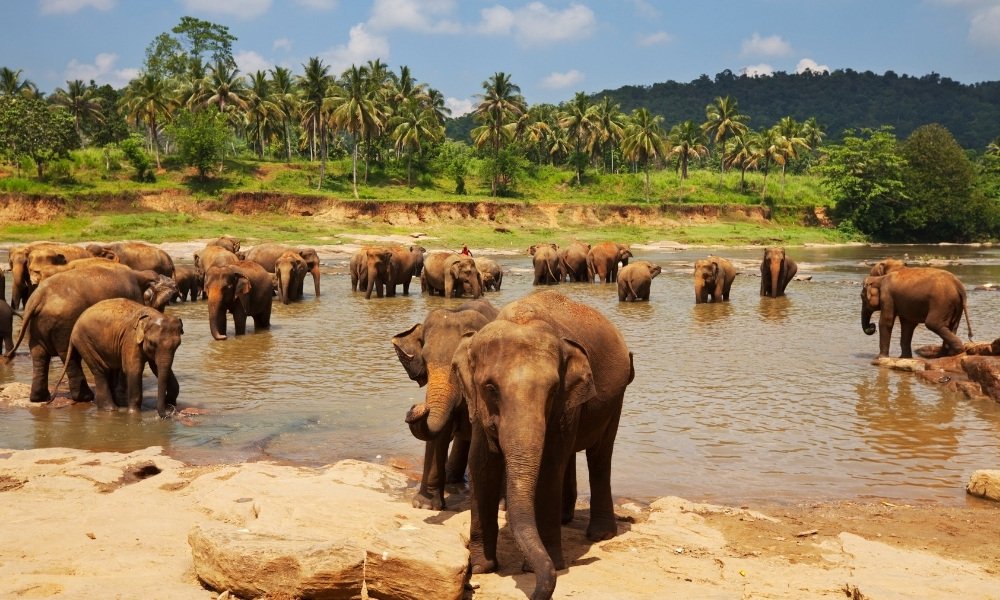
Mirissa also pairs perfectly with a safari. Yala and Udawalawe are within driving distance, so you can see blue whales and leopards or elephants in the same week. Our guide to the best time to visit Sri Lanka can help you line up the seasons.
Frequently Asked Questions
When is whale watching season in Mirissa?
November to April, with January to March generally offering the calmest seas and best sightings.
Are blue whale sightings guaranteed?
No. Whales are wild animals. That said, sighting rates during peak season are very high, and most visitors see at least one species of whale or dolphin.
How long is a whale watching tour?
Usually 4 to 6 hours, departing around 6:00–7:00 am.
Is whale watching in Mirissa suitable for children?
Yes, for children who are comfortable on boats. Bring seasickness remedies, snacks and sun protection, and choose a larger, more stable boat.
Can I see whales in Sri Lanka outside the Mirissa season?
Yes. Trincomalee on the east coast has its own whale season during the middle of the year, when the south coast is rough.
Plan Your Whale Watching Trip with Exotic Perla
Seeing a blue whale in the wild is something you will remember for the rest of your life. Let us handle the details: the right operator, the right day and a seamless itinerary around it.
Contact our travel specialists today to build a tailor-made Sri Lanka tour that includes whale watching in Mirissa.