Introduction
Rising almost 200 metres out of the jungle in Sri Lanka’s Cultural Triangle, Sigiriya Lion Rock is the island’s most recognisable landmark and one of the most remarkable ancient sites in Asia. It is a UNESCO World Heritage Site, a 5th-century royal citadel and a seriously rewarding climb, all at once.
This guide covers everything you need to plan your visit in 2026: ticket prices, the best time to go, what you will see on the way up and how to avoid the crowds and the heat.
1. The Story Behind Sigiriya
Sigiriya’s history reads like a drama. In the 5th century AD, King Kashyapa seized the throne and built his palace on top of this granite rock, partly as a fortress against his brother’s return. He surrounded it with water gardens, moats and ramparts that remain some of the oldest landscaped gardens in the world.
The name comes from Sinhagiri, meaning Lion Rock. Visitors once entered the final staircase through the mouth of a giant brick-and-plaster lion. Today only its colossal paws remain, but they are still one of the most photographed sights in Sigiriya.
2. Sigiriya Ticket Price 2026
Tickets are sold by the Central Cultural Fund at the site entrance, and can also be bought online in advance. As of 2026:
- Foreign adults (non-SAARC): USD 35
- Children (approx. 6–12): around half price
- SAARC nationals: reduced rate
The ticket includes the Sigiriya Museum. Keep it with you throughout the visit, as it is checked at several points on the climb. Prices can change, so check the latest rate before you travel. If you travel with Exotic Perla, your guide handles tickets for you.
Opening hours
The site opens early in the morning and ticket sales close in the late afternoon. Arriving at opening time is strongly recommended.
3. Best Time to Climb Sigiriya
Best time of year
The Cultural Triangle is driest and clearest from roughly January to April, which brings the best views from the summit. Sigiriya is open and worth visiting all year round, though, and the middle months of the year are also a good window. See our month-by-month guide for the full picture.
Best time of day
Go as early as possible. By late morning the rock heats up, the sun is strong and tour groups arrive. A late-afternoon climb is the second-best option, but leave enough time before ticket sales close.
4. The Climb: What to Expect Step by Step
The climb takes most people 1.5 to 2.5 hours up and down, including stops. There are around 1,200 steps, a mix of stone stairways and metal staircases bolted to the rock face.
- The water and boulder gardens: Symmetrical pools, fountains and terraces at the base, still showing the brilliance of ancient engineering.
- The Sigiriya Frescoes: A spiral staircase leads to a sheltered gallery of painted maidens, among the most famous ancient paintings in Sri Lanka. Photography is not allowed here.
- The Mirror Wall: Once polished so the king could see his reflection, it is covered with poems and graffiti left by visitors over a thousand years ago.
- The Lion’s Paws terrace: A natural rest stop before the final ascent, and the perfect photo point.
- The summit: The foundations of the royal palace, a large pool cut into the rock and sweeping 360° views across forest, lakes and distant mountains.
Note: Some sections are steep and exposed. The climb is not suitable for anyone with a serious fear of heights, heart conditions or limited mobility.
5. Pidurangala Rock: The Best View of Sigiriya
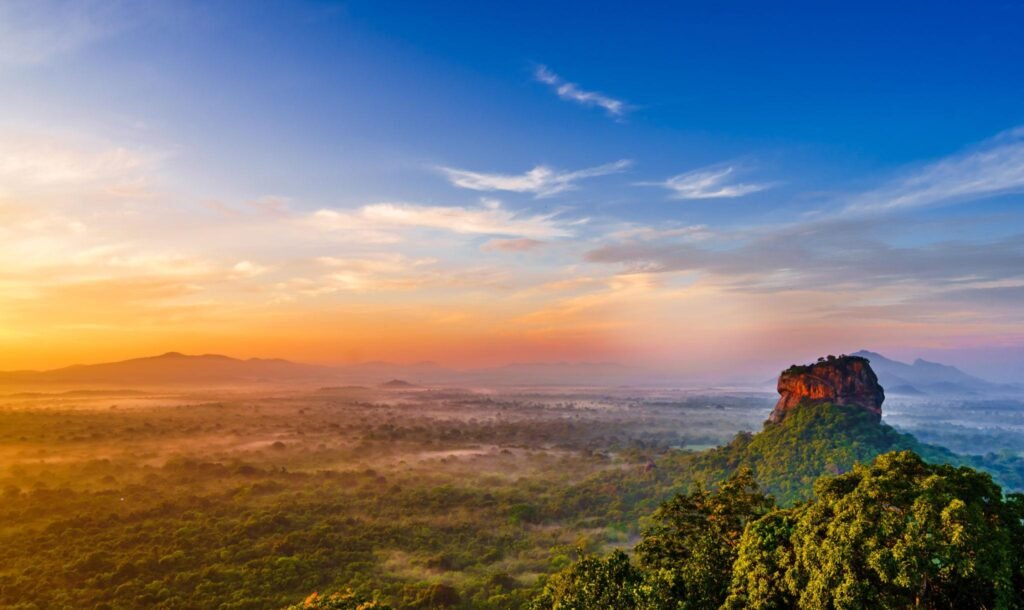
Just a few kilometres away, Pidurangala Rock offers something Sigiriya cannot: a view of Sigiriya. From its summit, Lion Rock rises dramatically out of the jungle, especially at sunrise.
- Entry is a small fee (around LKR 1,000), collected at the temple at its base.
- The climb takes 30 to 45 minutes, with a short scramble over boulders near the top.
- Shoulders and knees must be covered at the temple section.
Many travellers climb Pidurangala at sunrise and Sigiriya later that morning, or the other way around on consecutive days.
6. What to Wear and Bring
- Comfortable shoes with good grip
- Light, breathable clothing, with shoulders and knees covered for Pidurangala’s temple
- At least one litre of water per person
- A hat and sunscreen
- Cash in small notes for snacks and tips
- A small backpack, keeping your hands free on the staircases
Wasp warning: Wild hornets nest on parts of the rock. Keep noise down and follow staff instructions if a section is temporarily closed.
7. How to Fit Sigiriya into Your Itinerary
Sigiriya is the centrepiece of the Cultural Triangle, and the best base is a night or two in the area. Nearby highlights include:
- Dambulla Cave Temple – painted cave shrines about 30 minutes away
- Polonnaruwa – the ruins of a medieval royal capital, best explored by bicycle
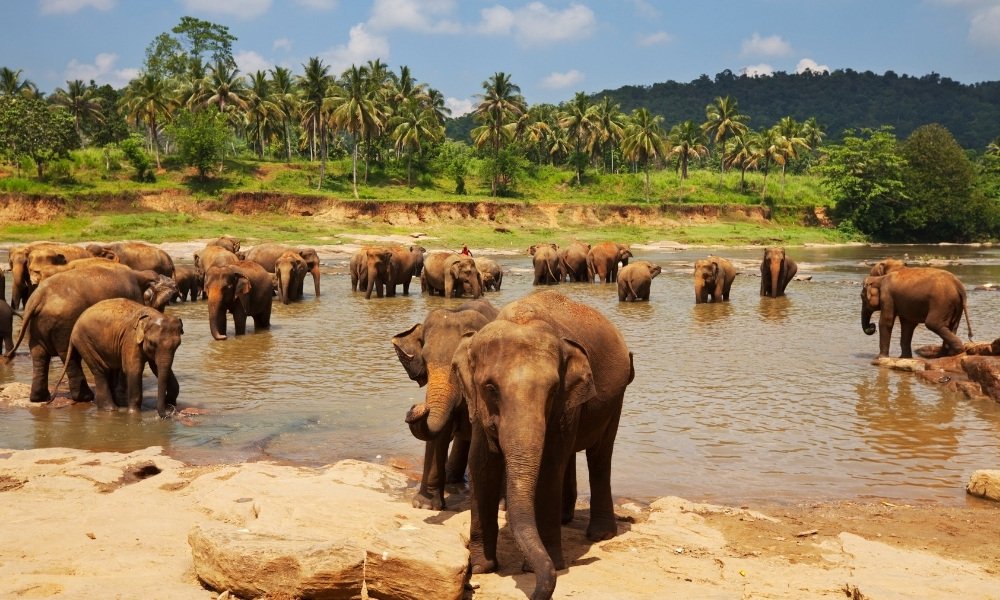
- Minneriya National Park – an afternoon elephant safari, especially during the dry season
- Anuradhapura – the island’s first ancient capital
Our UNESCO World Heritage Tour and cultural tours combine all of these at a comfortable pace.
Frequently Asked Questions
How long does it take to climb Sigiriya?
Most visitors take 1.5 to 2.5 hours for the round trip, including time at the frescoes and summit.
How much is the Sigiriya ticket for foreigners?
As of 2026, USD 35 for non-SAARC foreign adults, with reduced rates for children and SAARC nationals.
Is Sigiriya or Pidurangala better?
Do both if you can. Sigiriya gives you the history, frescoes and palace ruins; Pidurangala gives you the classic view of Lion Rock.
Is Sigiriya suitable for children?
Yes, for active children who are comfortable with heights. Go early to avoid the heat and keep a close eye on them on the exposed staircases.
Explore Sigiriya with a Local Expert
A knowledgeable guide brings Sigiriya’s story to life, and an early start with private transport means you climb before the crowds. Our team builds the Cultural Triangle into your itinerary so it feels effortless.
Contact Exotic Perla today to plan your tailor-made Sri Lanka tour, with Sigiriya Lion Rock at its heart.